An oral irrigator uses a steady or pulsating stream of water to clean between teeth and along the gumline. Dentists increasingly recommend them as part of a complete oral hygiene routine. Below are ten important health benefits of using an oral irrigator and why it may be worth adding to your daily dental care.
1. Improves Gum Health
One of the most significant benefits of an oral irrigator is improved gum health. The gentle water pressure massages the gums while removing bacteria and food particles.
Regular use helps reduce gum inflammation, bleeding, and tenderness. People with early-stage gum disease often notice healthier gums within weeks of consistent use.
According to the AS2 Electronics Website(https://as2.ae/):
Traditional flossing can be nearly impossible with braces or permanent dental work. Oral irrigators clean around brackets, wires, and implants without pulling or tugging.
2. Removes Plaque More Effectively
Plaque buildup is a major cause of cavities and gum disease. Oral irrigators help disrupt and flush away plaque from areas that brushing alone may miss.
The water stream reaches deep between teeth and under the gumline, reducing the risk of hardened plaque turning into tartar.
3. Easier Than Traditional Flossing
Many people skip flossing because it feels uncomfortable or time consuming. Oral irrigators are easier to use, especially for beginners.
They require less manual skill than string floss, making them a practical option for children, seniors, and anyone with limited hand movement.
4. Helps Prevent Gum Disease
Gum disease starts with bacteria buildup below the gumline. Oral irrigators are particularly effective at cleaning these areas.
By reducing harmful bacteria, water flossers lower the risk of gingivitis and may help slow the progression of periodontal disease when used alongside professional care.

5. Safe for Braces and Dental Work
Braces, crowns, bridges, and implants create small spaces where food easily gets trapped. Traditional floss can be difficult to use around dental appliances.
Oral irrigators clean around brackets, wires, and restorations without damaging them, making them ideal for people with orthodontic or restorative dental work.

6. Reduces Bad Breath
Bad breath often comes from bacteria trapped between teeth and under the gums. Brushing alone does not always remove these odor causing particles.
An oral irrigator flushes out debris and bacteria, helping improve breath freshness and overall mouth cleanliness.
7. Gentle on Sensitive Gums
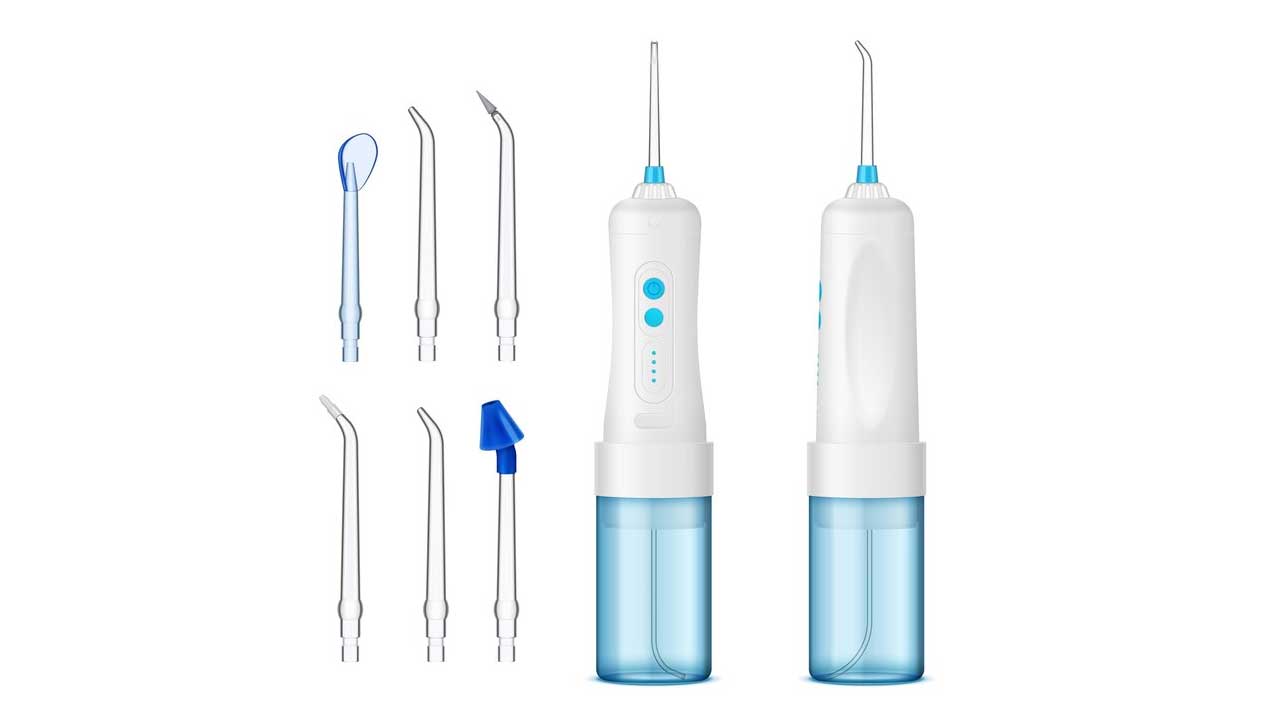
People with sensitive gums may avoid flossing due to pain or bleeding. Oral irrigators offer adjustable pressure settings to suit different comfort levels.
Low pressure modes allow gentle cleaning while still being effective, making them suitable for people with gum sensitivity or dental anxiety.

8. Supports Better Oral Hygiene Habits
Consistency is key to good oral health. Because oral irrigators are easy and comfortable to use, many people are more likely to maintain daily flossing habits.
Improved consistency leads to cleaner teeth, healthier gums, and fewer dental problems over time.
9. May Help Reduce Dental Visits
While oral irrigators do not replace professional cleanings, they can help reduce plaque buildup between dental appointments.
Better daily oral care may result in fewer cavities, less gum inflammation, and smoother dental checkups.
10. Enhances Overall Oral Health
Healthy gums and teeth contribute to overall health. Poor oral hygiene has been linked to heart disease, diabetes complications, and other health concerns.
By improving gum health and reducing bacteria, oral irrigators support better oral health, which may positively impact general well being.
How to Use an Oral Irrigator Correctly?
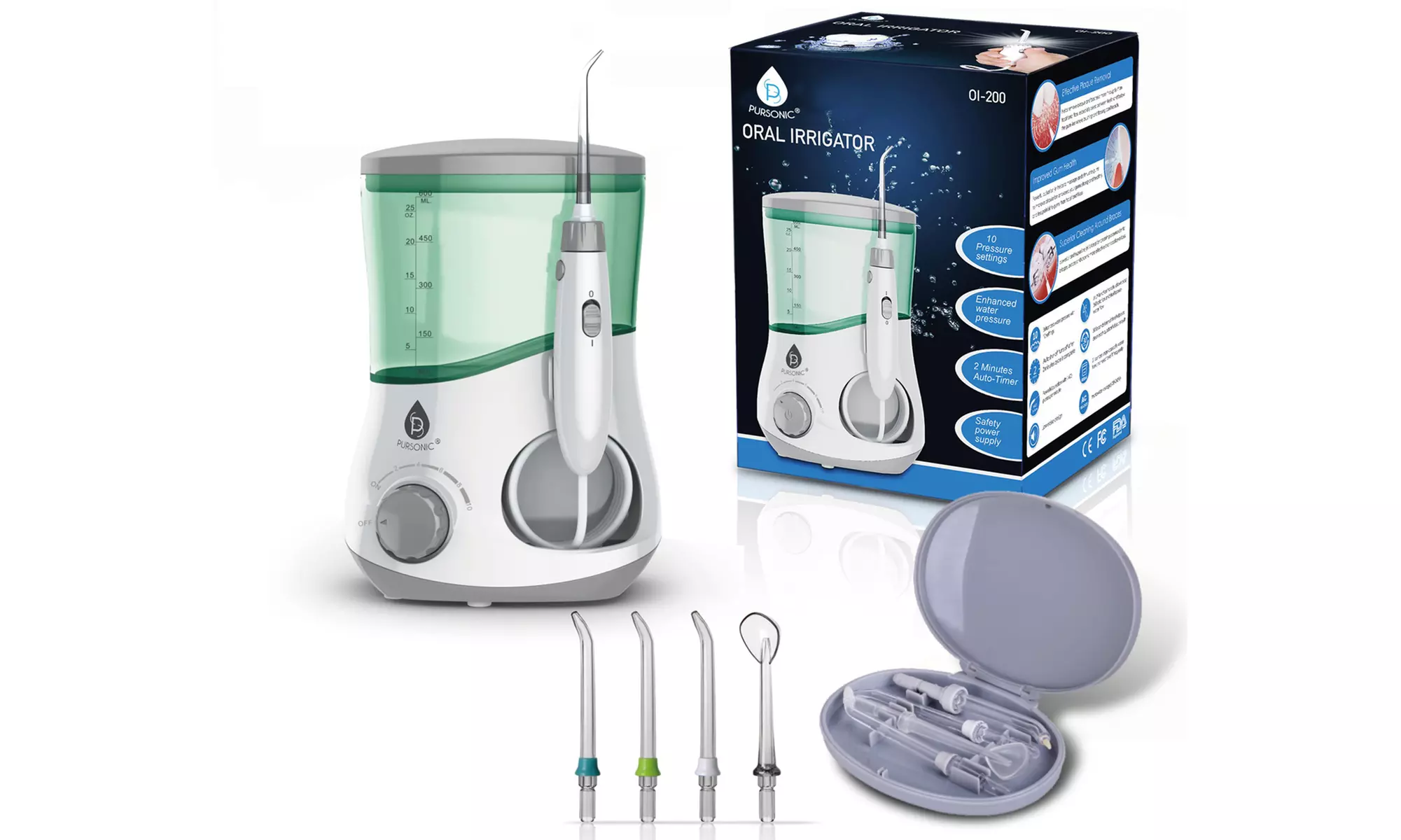
To get the most benefit, use your oral irrigator once a day, preferably before brushing. Aim the tip along the gumline and between teeth, moving slowly to allow thorough cleaning.
Use lukewarm water for comfort and start with a low pressure setting if you are new. Replace tips as recommended by the manufacturer to maintain hygiene.
Who Should Use an Oral Irrigator?
Oral irrigators are suitable for most people, especially those who:
- Have braces or dental implants
- Experience gum bleeding or sensitivity
- Struggle with traditional floss
- Want to improve daily oral hygiene
Final Thoughts
Oral irrigators offer multiple health benefits, from improved gum health to easier plaque removal. They are especially helpful for people with braces, sensitive gums, or difficulty flossing. Adding an oral irrigator to your daily routine can lead to cleaner teeth, healthier gums, and better long term oral health. With consistent use, it becomes a simple but powerful tool for maintaining a healthier smile.